














There is something undeniably charming about siblings dressed with a shared sense of style, whether that is for a family photograph, a special celebration, or simply a day out together. But identical, matching outfits are not the only way to achieve that polished, put-together look. For many families, a softer approach to coordination feels far more natural, and far more wearable, for children of different ages and personalities.

Start with Colour
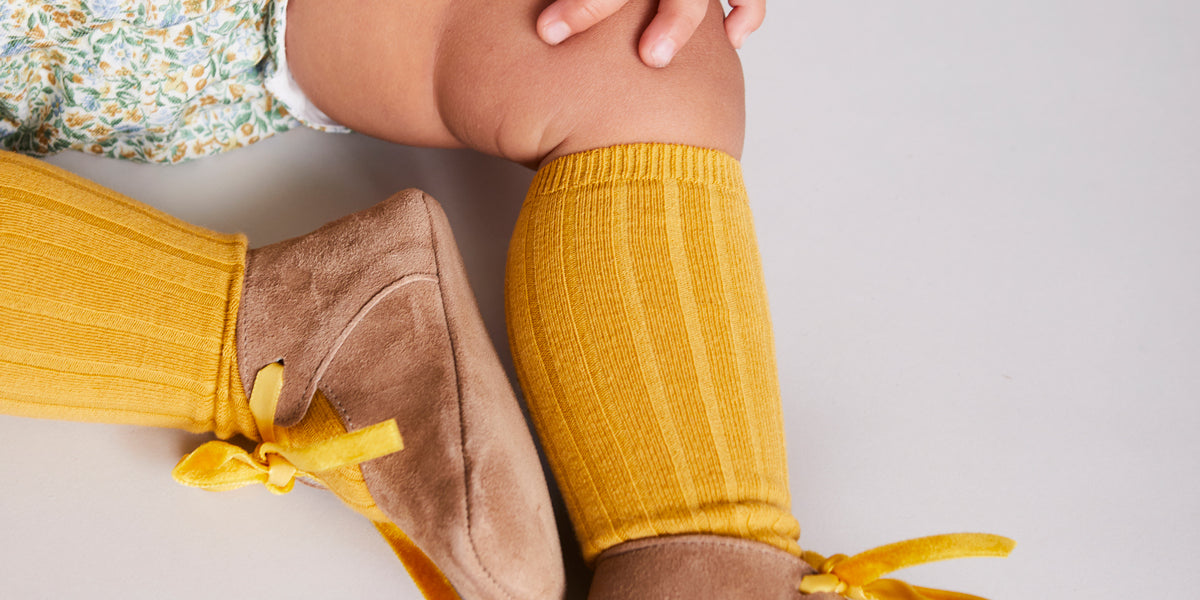
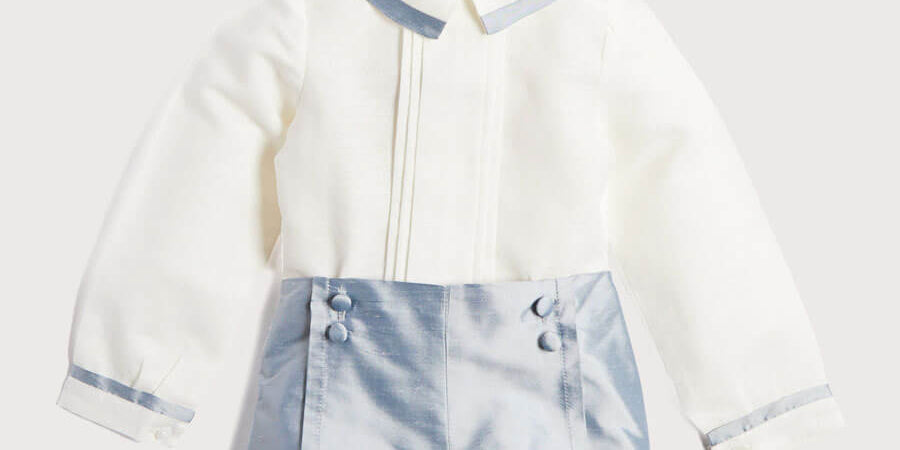
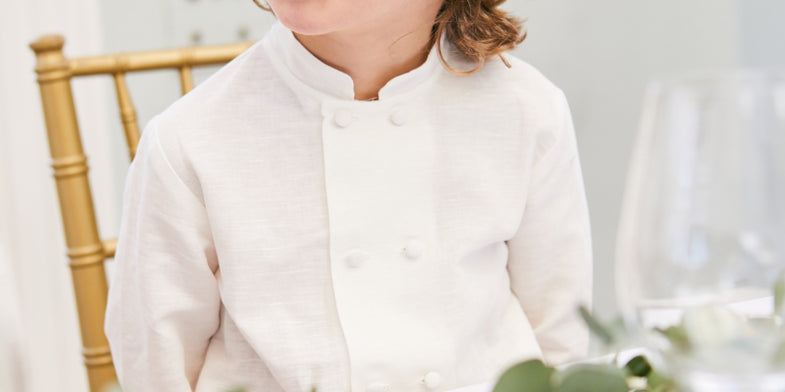
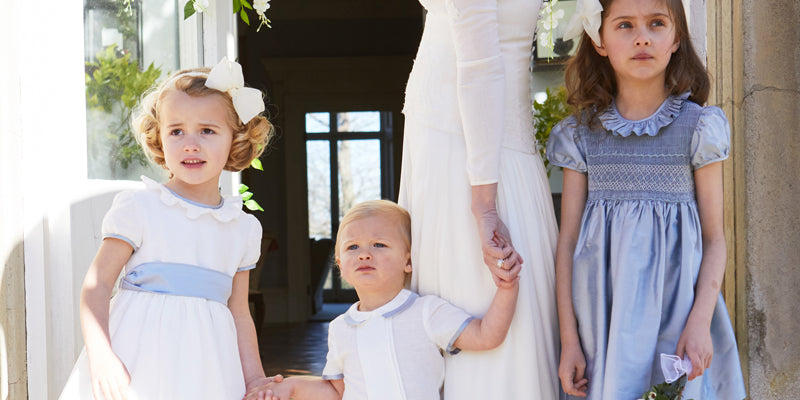
The easiest place to start is colour. Choosing a shared palette, rather than a single matching print or design, allows each child to wear something that suits their own style while still looking visibly connected. A soft blue dress for one sibling and a pale blue linen shirt for another creates harmony without uniformity. Each outfit can be chosen with that child's comfort and preferences in mind, rather than forcing a single design to fit two very different ages.
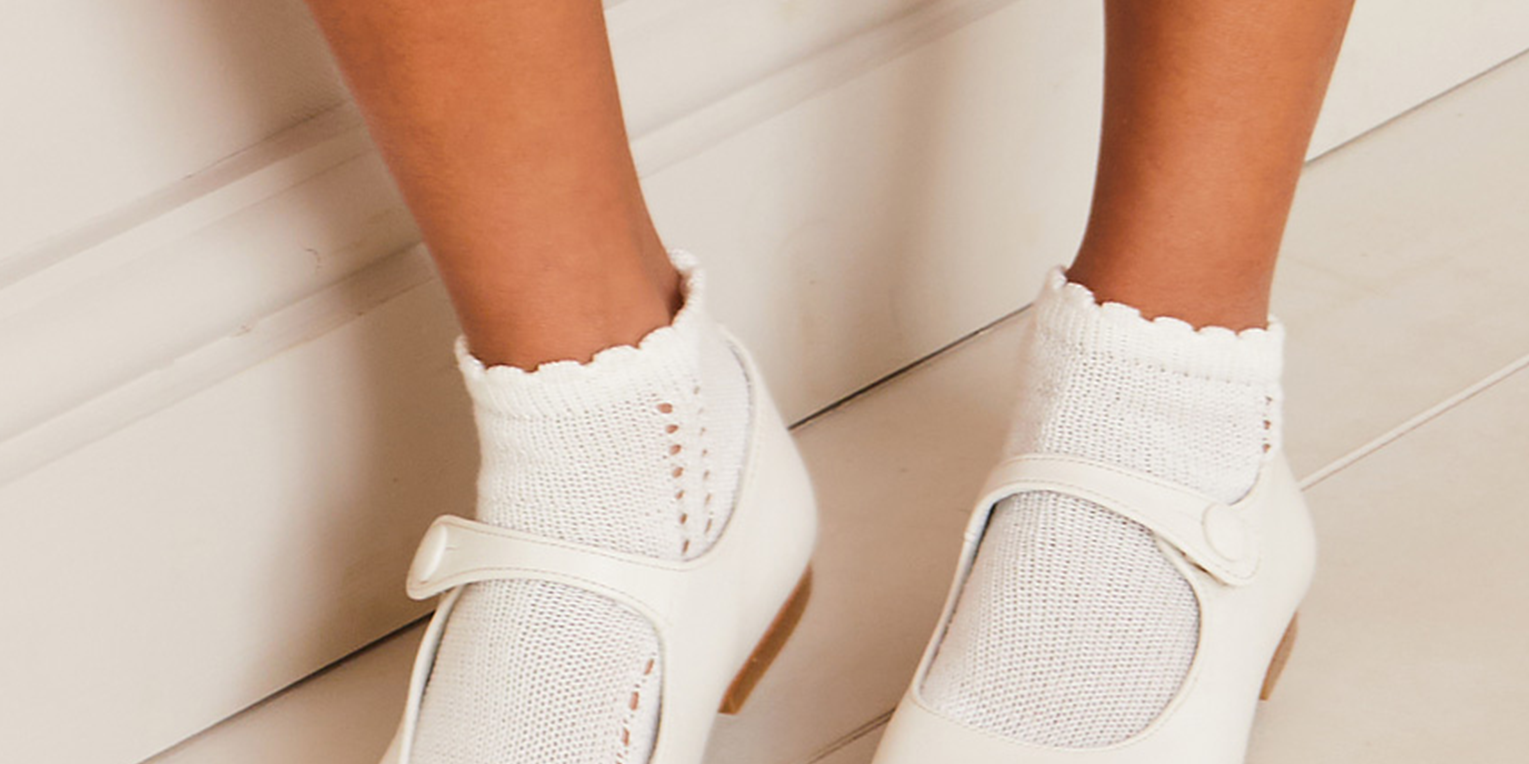
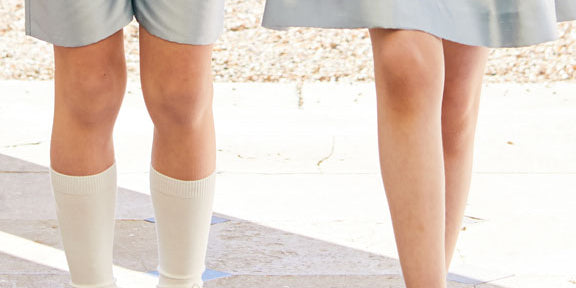
Fabric is another subtle but effective way to tie sibling outfits together. Dressing both children in cotton or linen pieces, even in different colours or silhouettes, creates a natural sense of cohesion, since the textures and finishes feel consistent even when the garments themselves are quite different. This works particularly well for family events where comfort matters just as much as appearance, allowing older and younger children to move and play freely in pieces that still look considered side by side.

Add a Shared Detail
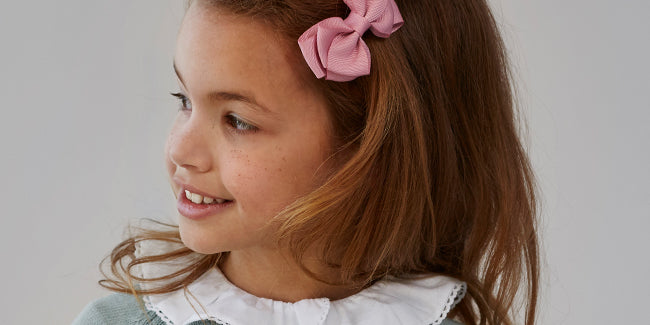
Shared details offer a gentler alternative to full matching sets. A hand-smocked panel that appears on both a dress and a romper, or a Peter Pan collar that features on both a girl's dress and a boy's shirt, creates a quiet visual thread between siblings without either outfit needing to be identical. These small, recurring touches are often what make sibling photographs feel timeless rather than staged.
Play with Seasonal Patterns
Seasonal patterns, such as a soft gingham or a delicate floral, are especially forgiving when it comes to coordinating without matching. Using the same pattern across different garment styles, a dress for one child and shorts or a romper for another, keeps the connection clear while still allowing each outfit to suit its wearer's age and personality.


